
ACE Powerlab
Developing the next generation of energy systems – from DC power and batteries to connected infrastructure and cybersecurity.
ACE Powerlab brings together lab environments for research, education and collaboration around the physical and digital energy systems of the future. The first step is a flexible DC lab node at Luleå University of Technology in Skellefteå, with cybersecurity as a closely connected area of development.
The long-term ambition is to connect these lab environments to ACE Powerhouse, the Innovation Campus and selected external environments – creating a path from controlled experiments to real-world applications.
Why DC, why now?
DC technology is not new. What is changing is its role in the energy system.
As electrification accelerates, more energy flows between solar generation, batteries, vehicles, electronics and other DC-based loads. In the right applications, DC systems can reduce conversion steps, improve controllability and simplify the integration of local energy resources.
But the technology still needs to develop as a complete system. Protection, stability, interoperability, safe installation and cybersecurity all need to work together. That requires somewhere to test how the pieces perform as one.
The first lab environment: DC
The first experimental node will provide a safe, measurable and reconfigurable environment for research and education.
The lab will support research into how faults and disturbances affect AC and DC systems, how several converters interact on a shared DC bus, and how solar power, batteries, electric vehicles and data center loads work together.
Researchers and students will be able to work with real equipment, including programmable sources and loads, power converters, battery and PV emulation, protection and advanced measurement.
This creates a path from simulation and theory to experimental validation – and from the laboratory towards real buildings and energy systems.
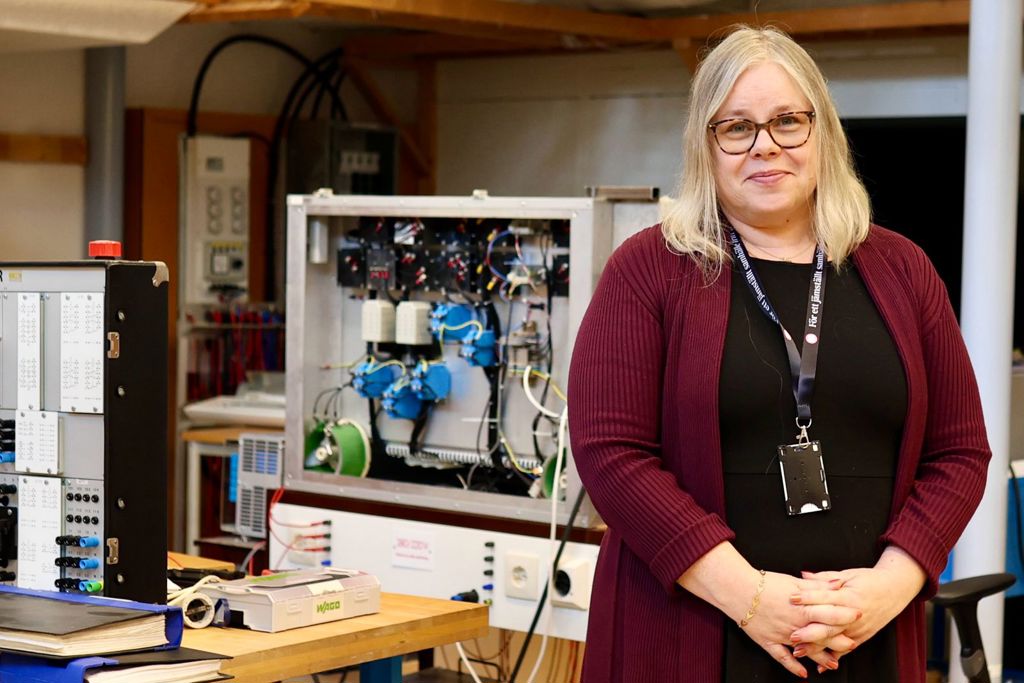
Expanding the lab capabilities
Planned development includes a bipolar research bus rated at ±350 V (700 V between the poles), designed for an 800 V insulation level, as well as a programmable bidirectional source and load rated at 10 kW and 0–1,000 V.
Synchronized measurements on the AC and DC sides, including emissions in the 2–150 kHz range, could enable detailed studies of power quality and system interactions.
A planned DC microgrid with a 28 kW inverter, a 10.2 kWh battery and 20 kW bidirectional V2X charging could further support research into how local generation, storage and electric vehicles exchange power.
An open environment for collaboration
ACE Powerlab is being developed as a vendor-neutral environment where different perspectives can meet.
Researchers can test new ideas. Students can work with real systems. Companies can explore technologies and use cases. Installers, energy companies, property owners and public organisations can contribute practical knowledge and identify new challenges.
Our aim is to create a shared environment where research, education and application inform each other.
From lab node to living campus
The lab starts in a controlled environment. The ambition is to take what's learned there into the real world.
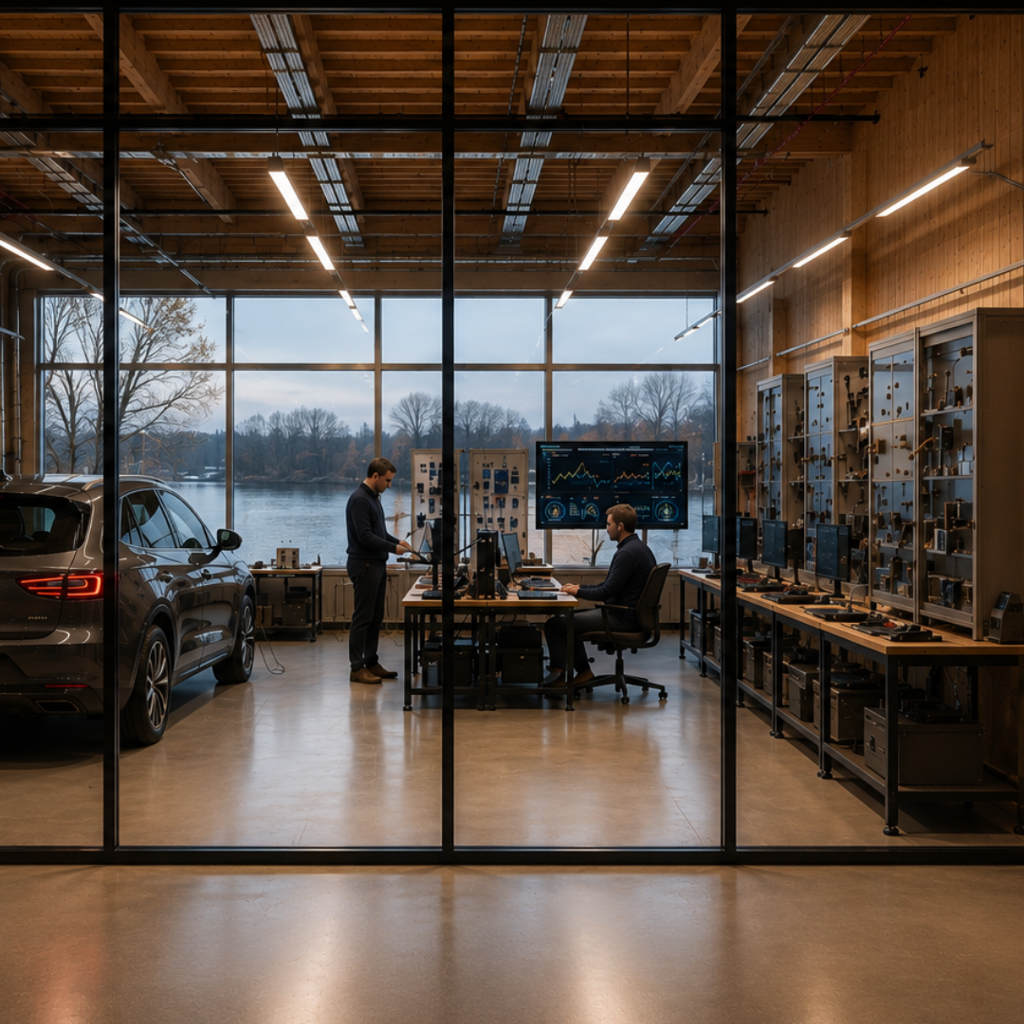
Lab node: Research, education, measurement and experimentation in a dedicated test environment.
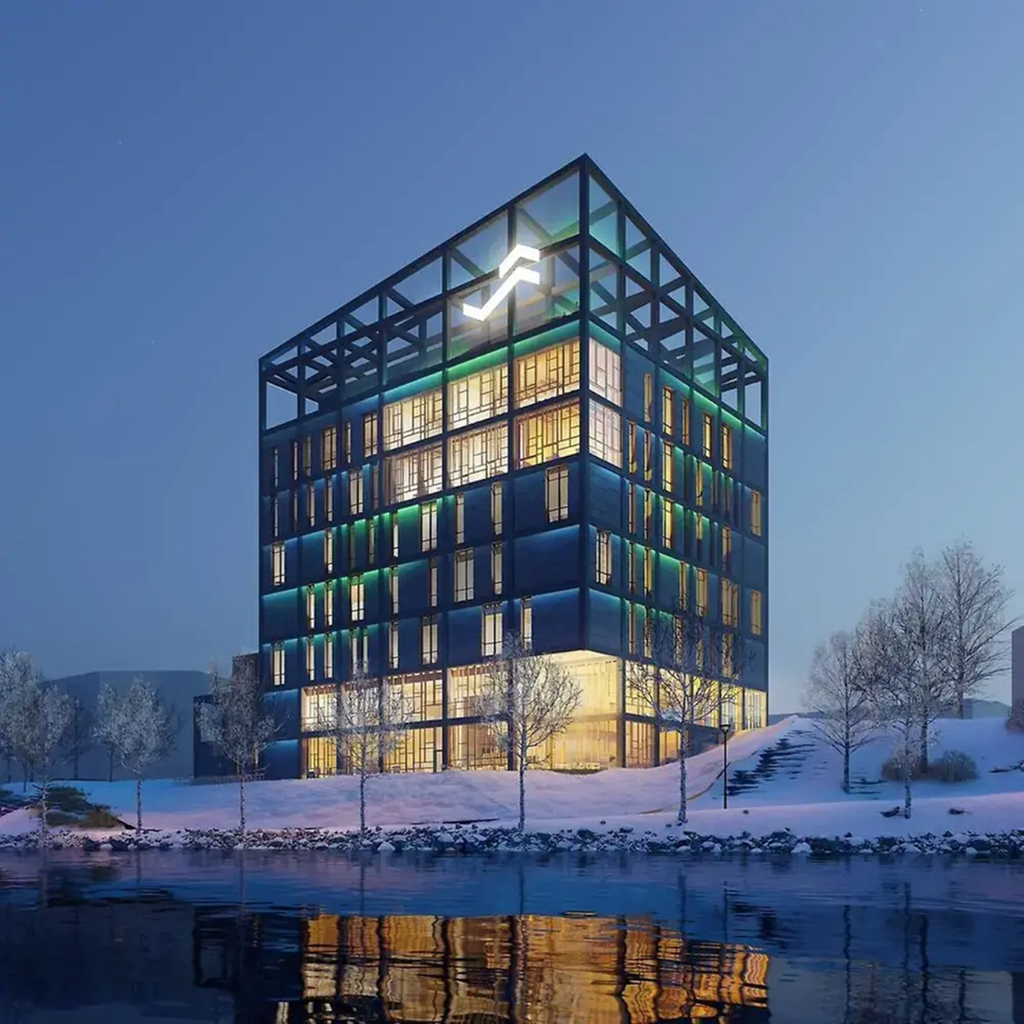
ACE Powerhouse: Selected DC systems and loads become part of the building, turning it into a living test environment.

Innovation Campus: Buildings, storage, charging infrastructure, renewable energy and flexible loads can be studied as one local energy system.
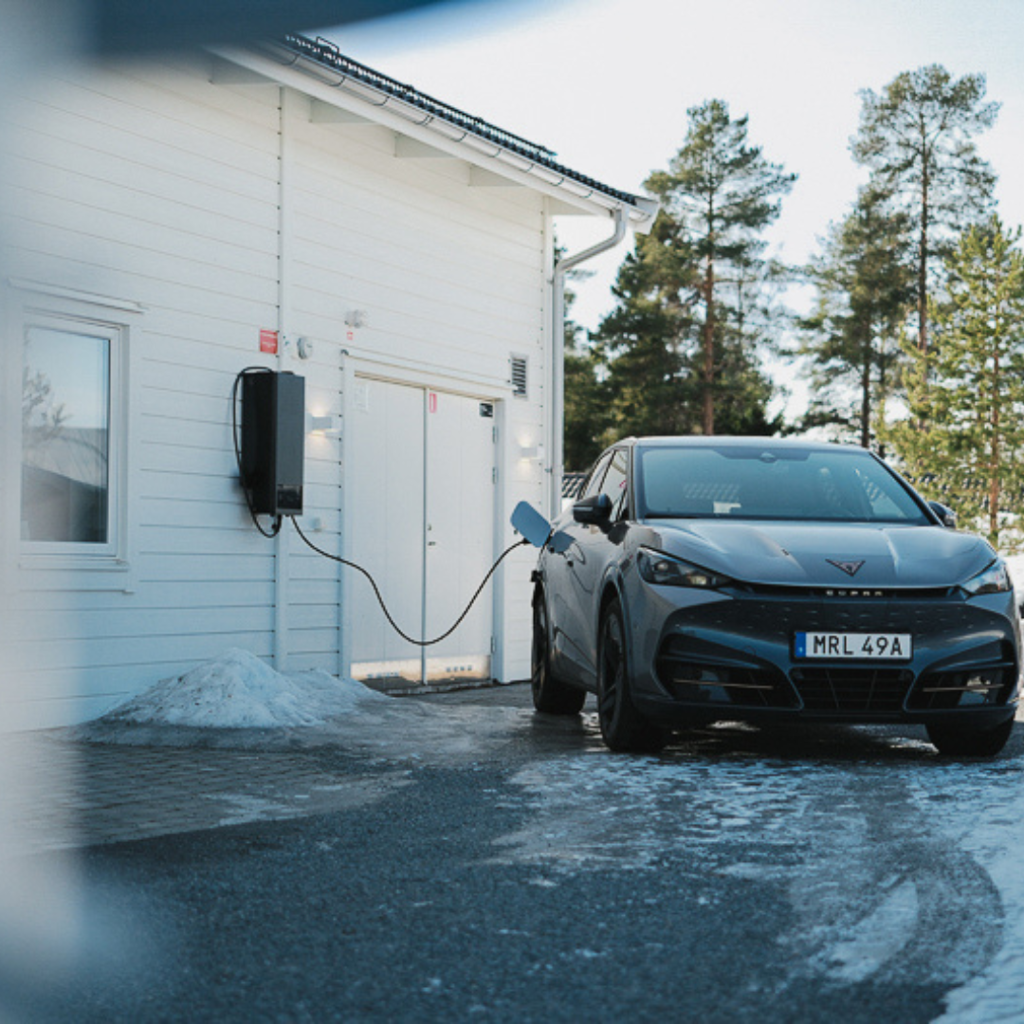
Distributed test environment: Through ACE Sandbox, selected external environments connect research with real-world systems.