ACE Powerlab: testing the energy systems of the future
As energy systems become more electrified and connected, testing how technologies work together is increasingly important. We're developing new lab environments where researchers, students and industry can test how technologies and systems work together.
From individual technologies to connected systems
Solar power, batteries, electric vehicles and data centers are all becoming more closely connected to power grids and digital control systems.
Direct current (DC) technology has a growing role to play in this development. In the right applications, DC systems can reduce energy conversion steps and make it easier to integrate local energy generation, storage and charging infrastructure. But protection, stability, interoperability and cybersecurity must all work together.
“We need to understand how different parts of increasingly electrified and connected energy systems work together. That means being able to study and test entire systems over time, under controlled conditions and in real-world settings,” says Petter Johansson, Research Lead.
A first step towards practical testing
ACE Powerlab is being developed to bring together lab environments for research, education and collaboration around the physical and digital energy systems of the future.
The first step is a flexible DC lab node at Luleå University of Technology in Skellefteå. A grant from the Rönnbäret Foundation will help fund equipment, including DC technology and bidirectional EV chargers, enabling researchers and students to investigate how different components interact.
“Physical equipment allows us to move beyond simulations and test how systems work together in practice. This gives research an important connection to real-world conditions,” says Sarah Rönnberg, Professor at Luleå University of Technology.
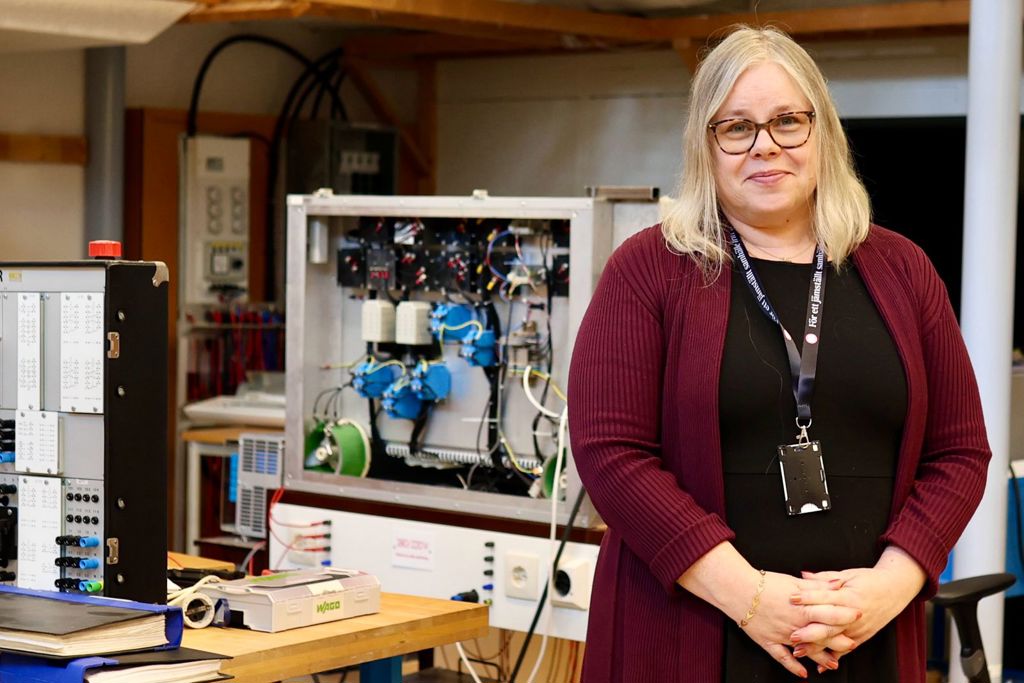
The aim is to create a measurable and reconfigurable environment where research can progress from theory and simulation to experimental validation.
Connecting research with real-world environments
Developing effective lab environments takes more than equipment alone. It also requires research expertise, infrastructure and opportunities to test technologies in relevant settings.
During a recent visit to EnergyVille and KU Leuven in Belgium, Petter Johansson and Tobias Vahlne explored potential collaborations in research, lab environments and test infrastructure.
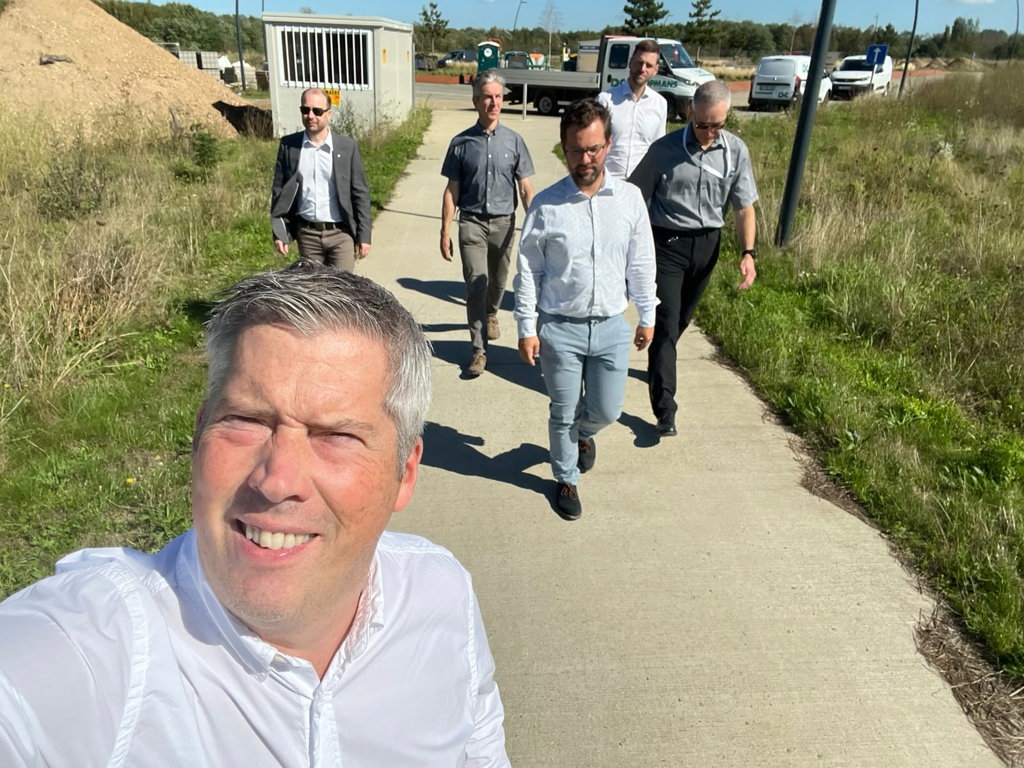
The discussions also highlighted the strengths of Skellefteå: a shared campus, energy companies, municipal infrastructure, a droneport and an airport – combined with a cold climate and long distances. Together, these conditions offer opportunities to explore energy solutions in settings that reflect real-world challenges.
ACE Powerhouse will bring research, education and testing together under one roof, providing an important base for these activities.
An open environment for collaboration
The lab environments are being developed as a vendor-neutral environment where researchers, students and companies can explore technologies and use cases. Energy companies, installers, property owners and public organizations can contribute practical knowledge and help identify new challenges.
Alongside the DC lab environment, we're developing a cybersecurity lab focused on the digital security of increasingly connected energy systems. This includes investigating how manipulated measurement data, communication failures or unauthorized control of equipment can affect power flows, system stability and protection functions.
The two areas are closely connected: electrical infrastructure, digital control and cybersecurity must work together as energy systems become more integrated.
There's an opportunity for researchers, companies and other partners to help shape the technology, research questions and future applications from the outset.